PART 3
I sat on the edge of my bed and closed the door.
For the first time in months, I felt like I was making a decision for myself instead of reacting to someone else’s demands.
Diane and I spoke for nearly an hour.
She already knew most of my financial situation. William had trusted her with our investments years before he died, and she had been exceptionally careful about keeping me informed without overwhelming me during the worst months of my grief.
When she finished reviewing everything, she said something that surprised me.
“You don’t need to buy another modest condominium, Eleanor.”
“What do you mean?” “You can buy a beautiful home outright if you want one.”
I smiled faintly.
“I don’t need anything extravagant.”
“I know. That’s not what I’m suggesting.”
She paused.
“I’m suggesting you stop making financial decisions based on what other people think you deserve.”
That sentence stayed with me.
The next morning, I woke up before everyone else.
I made coffee.
Not because anyone expected me to.
Because I wanted one.
I stood quietly in the kitchen, staring through the windows at the backyard.
The sun was just beginning to rise over the Texas rooftops.
For months, I had thought moving into Tyler’s house had been about finding comfort after William’s death.
But now I understood something.
I hadn’t moved there because I needed them.
I had moved there because I was grieving.
And they had mistaken my grief for weakness.
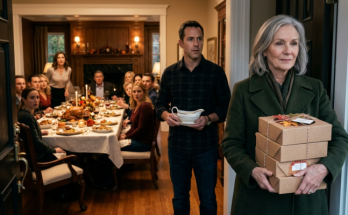
I went upstairs and began packing.
I didn’t tell anyone.
I didn’t announce my plans.
I simply opened the closet and started filling boxes.
Clothes.
Books.
Photographs.
William’s old watch.
A small wooden jewelry box.
My mother’s silver serving spoon.
The quilt I had made when Tyler was a baby.
Every item felt like a piece of a life I had almost forgotten belonged to me.
By nine o’clock, I had filled six boxes.
At ten, I called a real estate agent Diane recommended.
Her name was Marcus.
He arrived that afternoon.
He was a cheerful man in his forties who looked mildly surprised when I told him my requirements.
“I want something quiet.”
“Sure.”
“Good natural light.”
“Absolutely.”
“A small garden.”
“Easy.”
“And I want a guest room.”
He smiled.
“For family?”
I looked at him.
“For anyone I choose to invite.”
His smile faded slightly.
Then he nodded.
“I understand.”
I didn’t realize until later how important that sentence was.